At George Fox, we invite you to engage in the beauty that is music. Under the guidance of our talented faculty, we offer private instruction in voice, string, brass, woodwind, percussion, guitar, and keyboard instruments, as well as ensemble-style opportunities for practice and improvement.
We are also committed to helping you find your place. With an emphasis on music recording and production and performance and pre-teaching, our music major is focused on connecting you with compelling vocational opportunities.
Our music degree has a shared general core of classes, ensembles and lessons, and we offer two concentrations – in recording and production and performance and pre-teaching – that allow you to customize your degree based on your area of interest.
Recording & Production
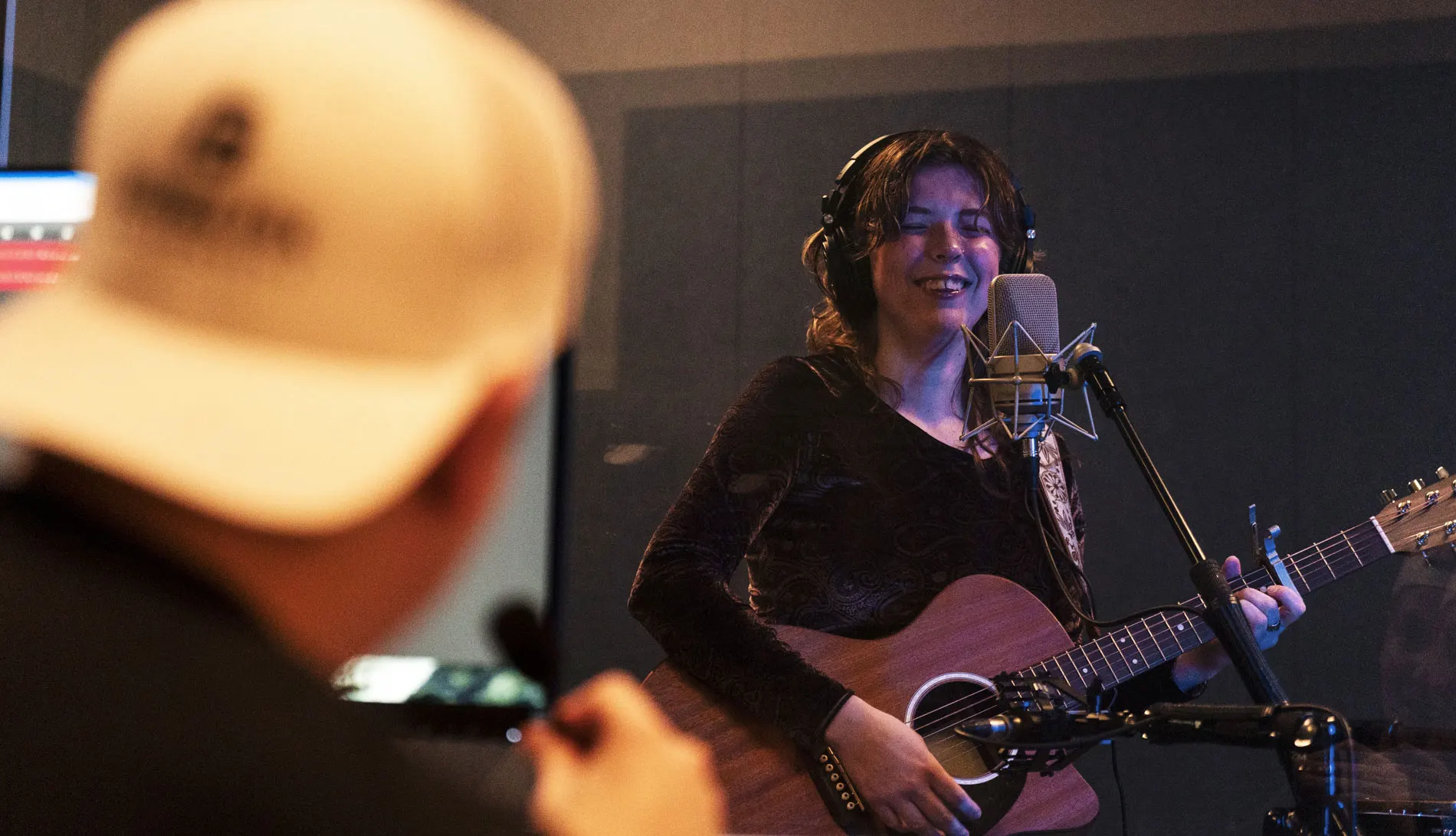
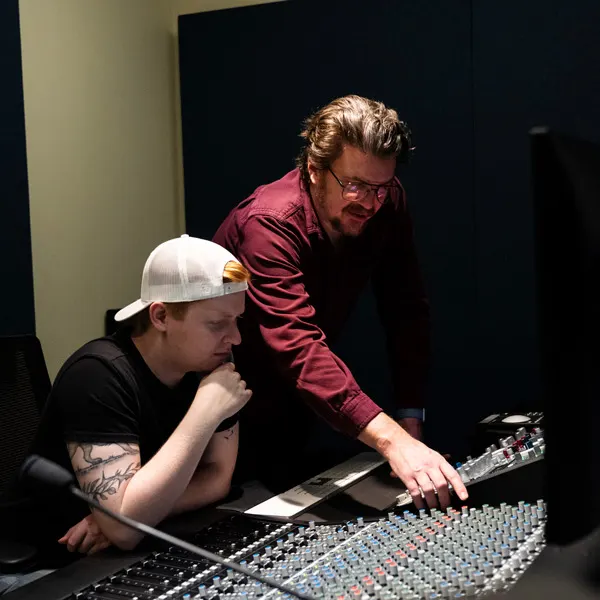
Formerly known as our industry concentration, this area of study is for thoseinterested in worship arts, music technology, songwriting, and/or learning to produce and mix studio and live music. In the recording and production concentration, you’ll take courses in lighting and sound, recording, music theory, lessons, and overviews of global, pop, jazz and classical music literature. You’ll also have opportunities to network, perform, record, produce, compose and teach while in school, as well as have the option to spend a semester in Nashville, Tennessee, at the Contemporary Music Center.
Performance & Pre-Teaching
This concentration is the most flexible of all. Here, you’ll be prepared for any number of professional careers, such as teaching, composing, performing, or working as a freelance musician. Other students select this concentration when they’re passionate about music but are leaning toward other careers, since this option has the room to accommodate a minor in any field George Fox offers. It will also prepare you for graduate school in music, or to enroll in George Fox’s highly successful Master of Arts in Teaching (MAT) program, where you can earn your Oregon K-12 music teaching credential.
Minors
George Fox University also offers a music minor and a worship arts minor, in which you can participate in music and learn practical skills in recording, sight reading, and composing while learning in another area of study.
Students who feel the call of God to go into music ministry, whether that be full time, part time or as a volunteer, may also choose to study worship arts. This is offered as a minor, which would typically be paired with a theology major; alternatively, students could pair it with any major, or even do a music/theology interdisciplinary major.
National Accreditation
As a nationally recognized Christian university, George Fox’s music curriculum is Christ-centered as well as academically rigorous. George Fox University is an accredited institutional member of the National Association of Schools of Music (NASM) through a peer-reviewed accreditation process and has been recognized by the National Association for Music Educators (NAfME).
Contemporary Music Center
As a music industry major, you have the opportunity to spend a semester in Nashville, Tennessee, at the Contemporary Music Center. The program is designed for students who feel called to a career in the music industry as performers, executives or promoters. The principal goal is to help Christians impact the secular music industry, although the program would benefit those who are interested in Christian music as well.
Courses include Faith, Music, and Culture; Inside the Music Industry; and specialized courses in two tracks for performers and music managers.
Music Instructors
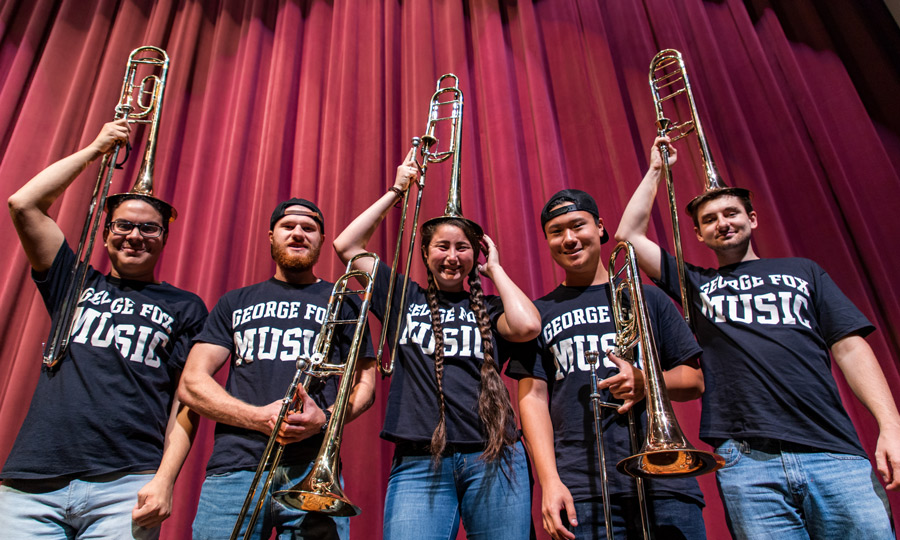
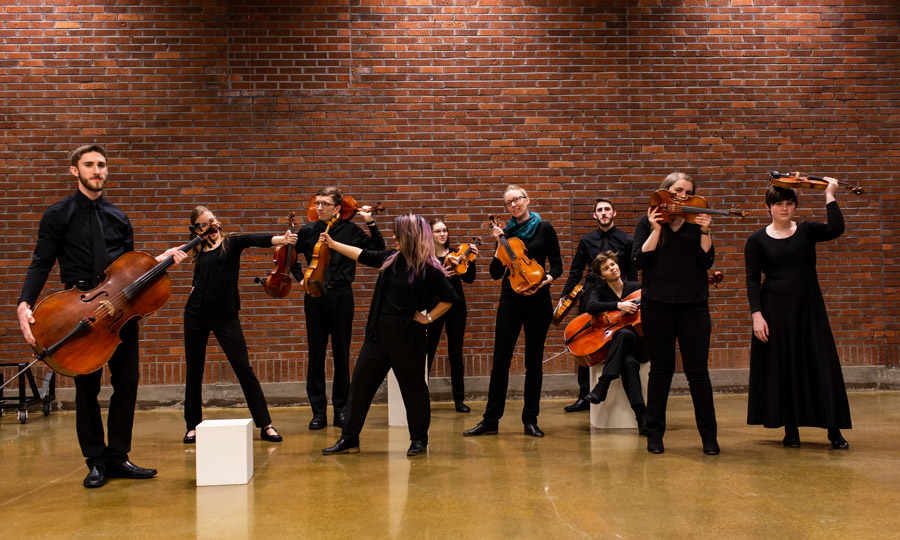
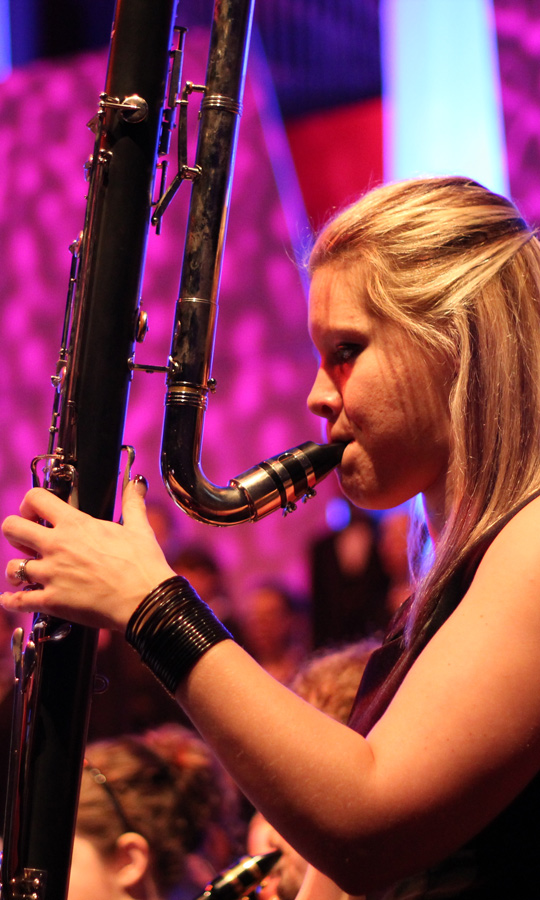
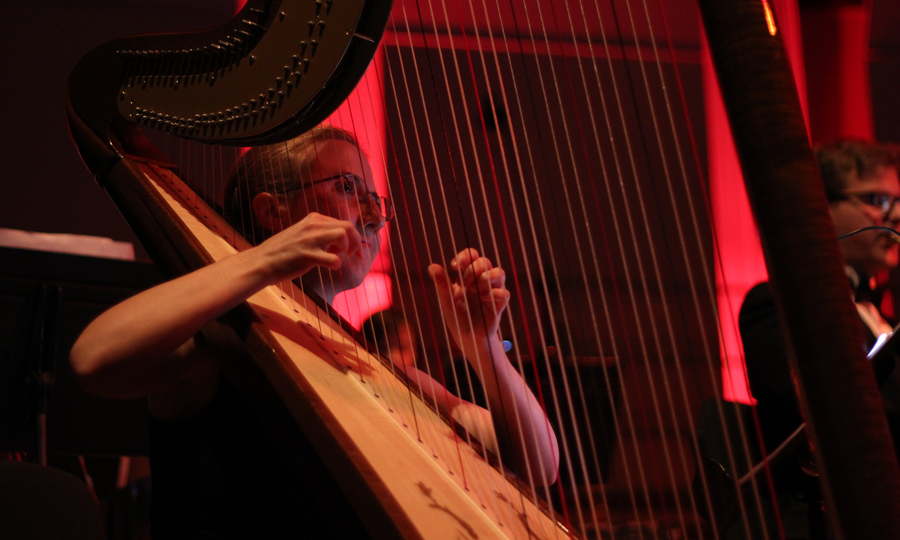
At George Fox University, you’ll learn from accomplished professors and applied instructors who bring years of professional experience to the classroom, studio and stage. Our faculty represent a wide range of specialties – from piano, voice and strings (violin, viola, cello, bass) to jazz studies, woodwinds (flute, clarinet, oboe, bassoon, saxophone), brass (trumpet, horn, trombone, tuba, euphonium), and percussion, including drum kit.
You’ll also find experts in composition, music production, songwriting, worship arts, guitar and more. This breadth of instruction ensures you receive personalized, high-level training no matter your area of interest.
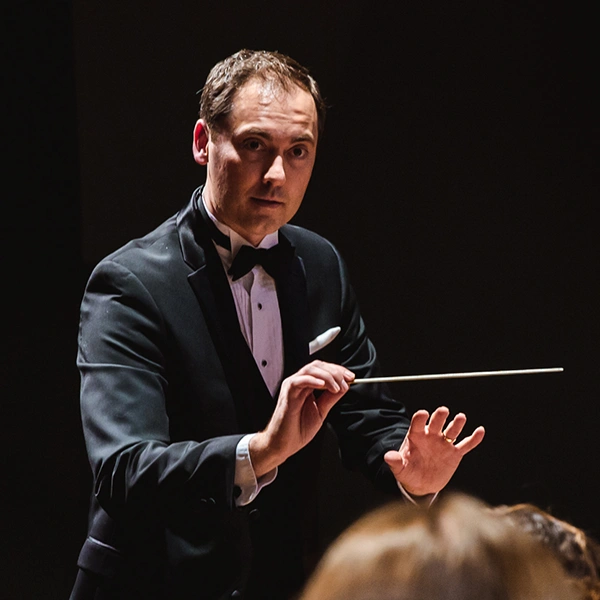
Our instructors are musicians who actively record albums, produce for other artists and regularly perform with leading regional ensembles, including the Oregon Symphony, Portland Opera, Portland Ballet, Vancouver Symphony, Portland Chamber Orchestra, Orchestra Nova Northwest, Juneau Symphony and Newport Symphony.
Hallelujah Chorus from Handel's "Messiah" - Live | George Fox UniversityClose
Program Distinctives Why Study Music at George Fox?
We approach music with an eye toward professional application and community service, whether that be to the church, schools, the broader community, or to our own campus. Our students have internships at churches, schools and other musical venues.
We work carefully with our colleagues in the education program to bridge interested students from a bachelor’s in music into our Master of Arts in Teaching program.
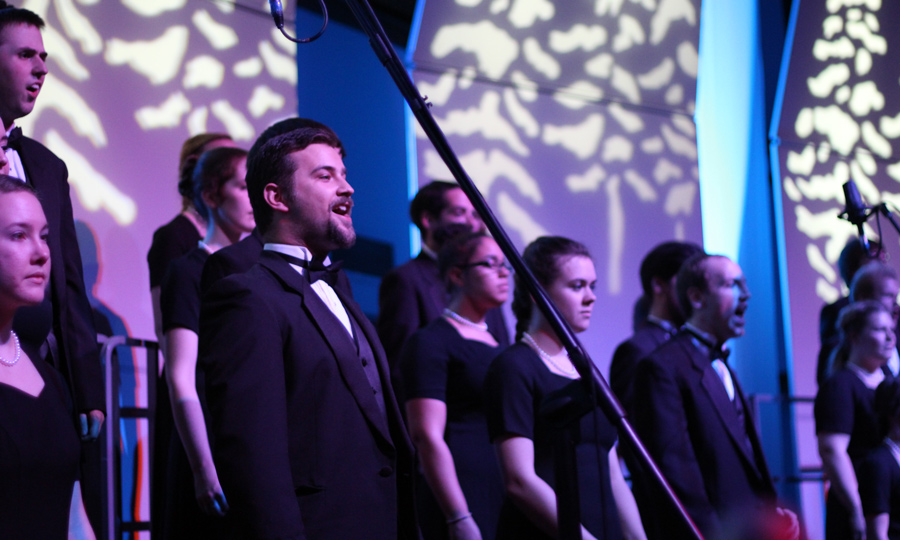
You will gain practical experience in a variety of ensembles as well as by performing in recitals in our highly respected venue, Bauman Auditorium. Music, perhaps more than any other major, requires hands-on practice to achieve proficiency.
We believe in creating a cooperative atmosphere among students and faculty. It’s a powerful thing to work alongside, rather than competing against, others to produce music.
Courses / Curriculum What Will I Study?
Music theory and ear training
Music history, including Western, global music, and popular music
Sight singing and ear training
Music technology, including recording and electronic music, as specific courses, but also integrated into the very fabric of what we do from day to day
Courses in recording, lighting, and music software, with many elective options in related fields, including cinema and theatre
The integration of faith and the performing arts
Private lessons: Every student enrolls in a once-per-week individual music lesson and a group studio class; this also includes recitals, which are an integral part of the curriculum for all four years.
The Cornerstone Core is a set of 12 courses across 10 academic disciplines that undergraduate students take at George Fox to cultivate their character within the Christian context.
A course designed to help the student systematically acquire basic information and interrelated skills that will be of value in future musical endeavors as performer, teacher, or composer, in all genres of music. Students will study music notation, interval recognition, elements of pitch and rhythm, scale and chord construction and beginning concepts in harmony. Corequisite: MUSI 131 Sight Singing and Ear Training I.
This course is a continuation of Theory 1. Students will use the skills acquired in Theory I to begin writing and analyzing original music alongside existing music in all styles. Four-part writing and original compositions, alongside theoretical and formal analysis, will become part of the student’s skill set throughout this course. Corequisite: MUSI 132 Sight Singing and Ear Training II. Prerequisite: MUSI 121 Theory I.
A lab experience designed to develop proficiency in singing prepared melodies, melodies at sight, rhythmic patterns, and in taking basic melodic dictation.
Corequisite: MUSI 121 Theory I.
A lab experience designed to develop proficiency in singing prepared melodies, melodies at sight, rhythmic patterns, and in taking basic melodic dictation.
Corequisite: MUSI 122 Theory II.
May be repeated for credit. Open to majors and non-majors. This class will include Elementary- to intermediate-level class instruction in piano. This class is open to any student regardless of previous experience and does not require an additional course fee. Students working to complete the required piano proficiency skills may choose to study applied piano.
May be repeated for credit. Open to majors and non-majors. This class will include Elementary- to intermediate-level class instruction in piano. This class is open to any student regardless of previous experience and does not require an additional course fee. Students working to complete the required piano proficiency skills may choose to study applied piano.
Introductory work with technological resources basic to work in the music field. Includes hands-on experience with MIDI and sequencing, music notation programs and desktop publishing, digital sound formats, audio recording, and basic Web authoring. Students will also explore basic self-promotion skills such as marketing and portfolio development.
A continuation of Theory II. Includes chromatic harmonies, remote modulations, 20th-century compositional developments, and a detailed study of the structural and formal components of music. Creative work is required. Prerequisite: MUSI 122 Theory II.
A study of the development of Western Classical music from antiquity through the 21st century. A concentrated study of musical style and literature, with an emphasis on the cultural context for musical performance and composition.
An introductory study of the music of a variety of world cultures, with emphasis on listening to, viewing, and understanding a broad selection of classical and folk musical styles from outside the Western classical tradition. In addition, concepts related to ethnodoxology, the study of music within the global Church, will be explored.
A study of various aspects and types of popular music in America, including jazz, blues, rock & roll, and hip hop. Emphasis will be placed on musical elements that define the genres and the artists who pioneered them. Includes creative work in these musical genres.
A Capstone music course designed to explore the integration of music and the Christian faith, including a study of worship & historical approaches to musical worship. In this class students will also research and define their vocational and/or ministry goals as it relates to professional and amateur music making. Prerequisite: Junior or senior standing.
A study of ensemble leadership through conducting, administrative skills, repertoire planning, and rehearsal skills, applicable to all genres of music, including choir, band, orchestra, and worship teams.
MUSI 475 Field Experience or MUSI 481 Recital Project
A faculty approved music internship or recital project is required for all music majors regardless of concentration. Summer internships could be taken with approval of faculty.
Music Major students must participate in a major ensemble, Applied lessons, and Studio Class every semester while in residence.
Upper Division jury: all students enter the applied program at the 100 level. Before being advanced to upper-division study, the student must pass an upper division jury.
Students are required to obtain a minimum grade of C- in all courses taken for the major.
Concentrations (8-16 credit hours) - choose one
In order to pursue exceptional life outcomes, Music majors pursue a concentration of courses connected to specific career opportunities.
This course is designed to prepare students to think critically about their relationship with money, develop their own personal financial philosophy and implement practical application of personal financial management. Topics include relationship with money, biblical financial foundations, budgets, loans, spending, housing, insurance, investments and taxes. Prerequisite: Non-business majors only.
Students will learn to record music and vocal tracks in a digital multitrack studio environment. Students will produce music, advertising, and other audio projects in this hands-on studio course. Prerequisite: CINE 243 Introduction to Audio or instructor's permission.
This course will prepare students to skillfully use fundamental project management concepts and behavioral skills to effectively plan and lead project work. Specifically, through practical, hands-on work, case studies, and exercises, students will learn to manage project resources, schedules, tasks, time/cost tradeoffs, risks, and scope to produce desired organizational outcomes. Importantly, since most project teams are comprised of internal and external resources which are often distributed geographically, students will become knowledgeable and skillful at recognizing and overcoming the challenges of leading distributed teams. In short, this course will provide a sense of confidence with planning and oversight throughout all phases of a project's life cycle.
Students will learn basic techniques of songwriting, including lyrics and song structure. Students will write their own songs, which they will then produce and record. Prerequisite: CINE 243 Introduction to Audio or MUSI 180 Introduction to Music Technology or THEA 130 Stagecraft or by instructor’s permission.
A study of music curriculum design and delivery, including general music, band, orchestra, choir, and jazz, with a special focus on teaching private applied lessons. Student observations are required, as is participation in Oregon state music education activities.
Do you ever wonder what happens backstage during a theatre production or concert? Come learn the magic of how scenery is built, colors are mixed, and lights move. Through a series of hands-on projects, this course is designed to introduce students to the diverse skills, equipment, and professional practices used in staging theatre productions. Learn to set up a sound system and light a stage. Explore scenic materials, hardware, rigging, and construction techniques. Learn how to correctly coil cables and ropes, tie knots, fold drapes, and safely use all the tools in a typical scene shop. The course culminates with teams participating in Tech Olympics. Additional course fee is required.
This course introduces students to the design process for theatrical productions. There are a number of different variations of this course. Each variation picks a different topic through which to examine how the design process can be a tool for analyzing and understanding a script. Through a series of hands-on projects, students will explore the skills needed to work through the design process from conceptualization to implementation. While focused primarily on live theatre, the course will also explore how the topic applies to music, cinema, art installations and related industries. Examples of different variations of this course include: Scenic Design, Lighting Design, Sound Design, Costume Design, and Projection Design. Repeatable for course credit. Additional course fee is required. Prerequisite: THEA 130 Stagecraft or instructor permission.
A study of music curriculum design and delivery, including general music, band, orchestra, choir, and jazz, with a special focus on teaching private applied lessons. Student observations are required, as is participation in Oregon state music education activities.
This course is designed to prepare students to think critically about their relationship with money, develop their own personal financial philosophy and implement practical application of personal financial management. Topics include relationship with money, biblical financial foundations, budgets, loans, spending, housing, insurance, investments and taxes. Prerequisite: Non-business majors only.
This is a one-semester introductory course on the teaching profession for those planning to enroll in an MAT program or considering teaching as a profession. Students will expand their understandings of the field of education and the role of teachers through class topics and experiences. They will also participate in a 10-hour classroom field experience. The George Fox University MAT program application process and requirements will be discussed. (This course is not part of the undergraduate elementary education major.)
Prerequisite: junior or senior status
Private study on any instrument, including piano, brass, strings, woodwinds, percussion, and guitar. Classical, jazz, pop, and other genres can be studied, at the discretion of the teacher and student. May count towards degree requirements for some music majors and minor, if taken on a secondary instrument. Additional fee applies.
Private study on any instrument, including piano, brass, strings, woodwinds, percussion, and guitar. Classical, jazz, pop, and other genres can be studied, at the discretion of the teacher and student. May count towards degree requirements for some music majors and minor, if taken on a secondary instrument. Additional fee applies.
May be repeated for credit. This course is intended to improve and strengthen the voice as a solo instrument. The ability to read music is helpful although not necessary. Attendance and class participation coupled with a minimum of four 15- to 30-minute individual practice sessions each week will enable consistent growth and increased strength. Students will sing individually to the group using exercises and songs worked on in class. The group format and class size provide an excellent built-in performance opportunity.
Open to students of all majors. This course offers vital foundational instruction in the techniques of playing guitar. Proper hand position, fingering, and strumming styles, and a broad range of chords are presented. Learn to read music, tab, and understand basic concepts of theory. Have fun playing cool riffs, chord progressions, and songs. Ideal for learning techniques applicable to leading worship.
Students prepare a project in cooperation with a faculty advisor. The project is presented before an audience and filed permanently in the music department. May be repeated for credit for a maximum of two credits.
Or other MUSI, MUSA, BUSN, THEA courses as approved by advisor.
The purpose of this course is to teach students how to plan, prepare and execute worship in various settings. Students will be exposed to different styles of worship services and different components and ordinances used in Christian worship services. We will also explore different technologies used in planning and leading worship. An internship or service project is included as a requirement of this course.
Students will learn basic techniques of songwriting, including lyrics and song structure. Students will write their own songs, which they will then produce and record. Prerequisite: CINE 243 Introduction to Audio or MUSI 180 Introduction to Music Technology or THEA 130 Stagecraft or by instructor’s permission.
Students will learn to record music and vocal tracks in a digital multitrack studio environment. Students will produce music, advertising, and other audio projects in this hands-on studio course. Prerequisite: CINE 243 Introduction to Audio or instructor's permission.
Do you ever wonder what happens backstage during a theatre production or concert? Come learn the magic of how scenery is built, colors are mixed, and lights move. Through a series of hands-on projects, this course is designed to introduce students to the diverse skills, equipment, and professional practices used in staging theatre productions. Learn to set up a sound system and light a stage. Explore scenic materials, hardware, rigging, and construction techniques. Learn how to correctly coil cables and ropes, tie knots, fold drapes, and safely use all the tools in a typical scene shop. The course culminates with teams participating in Tech Olympics. Additional course fee is required.
This course introduces students to the design process for theatrical productions. There are a number of different variations of this course. Each variation picks a different topic through which to examine how the design process can be a tool for analyzing and understanding a script. Through a series of hands-on projects, students will explore the skills needed to work through the design process from conceptualization to implementation. While focused primarily on live theatre, the course will also explore how the topic applies to music, cinema, art installations and related industries. Examples of different variations of this course include: Scenic Design, Lighting Design, Sound Design, Costume Design, and Projection Design. Repeatable for course credit. Prerequisite: THEA 130 Stagecraft or instructor permission. Additional course fee required.
Using selected books and portions, the Old Testament will be studied with attention given to historic contexts, major religious themes, and literary forms of the Bible.
Using selected books and portions, the New Testament will be studied with attention given to historic contexts, major religious themes, and literary forms of the Bible.
In this first part of a two-part sequence, students begin their journey into the breadth and depth of Christian theology, studying what Christians have believed and practiced. Emphasis is placed on major themes, figures, texts, and on students connecting their Christian practice with the intellectual traditions of the Church.
In this second part of a two-part sequence, students continue their journey into the breadth and depth of Christian theology, studying what Christians have believed and practiced. Emphasis is placed on major themes, figures, texts, and on students connecting their Christian practice with the intellectual traditions of the Church.
An exploration of how people grow and change spiritually. The study integrates biblical insights, classic Christian spirituality, developmental theory, and contemporary individual and corporate practice in spiritual formation. It will critically explore how spirituality relates to vocation, relationships, and the demands of daily living.
This advanced course will focus on contemporary issues relevant to the research interests and specialties of George Fox University faculty in Christian Ministries and will offer an opportunity for students and faculty to collaborate in the dual process of research and personal transformation. Specific topics rotate, and the course can be taken more than once with different topics.
A course designed to help the student systematically acquire basic information and interrelated skills that will be of value in future musical endeavors as performer, teacher, or composer, in all genres of music. Students will study music notation, interval recognition, elements of pitch and rhythm, scale and chord construction and beginning concepts in harmony. Corequisite: MUSI 131 Sight Singing and Ear Training I.
A lab experience designed to develop proficiency in singing prepared melodies, melodies at sight, rhythmic patterns, and in taking basic melodic dictation.
Corequisite: MUSI 121 Theory I.
Introductory work with technological resources basic to work in the music field. Includes hands-on experience with MIDI and sequencing, music notation programs and desktop publishing, digital sound formats, audio recording, and basic Web authoring. Students will also explore basic self-promotion skills such as marketing and portfolio development.
A study of the development of Western Classical music from antiquity through the 21st century. A concentrated study of musical style and literature, with an emphasis on the cultural context for musical performance and composition.
A study of various aspects and types of popular music in America, including jazz, blues, rock & roll, and hip hop. Emphasis will be placed on musical elements that define the genres and the artists who pioneered them. Includes creative work in these musical genres.
An introductory study of the music of a variety of world cultures, with emphasis on listening to, viewing, and understanding a broad selection of classical and folk musical styles from outside the Western classical tradition. In addition, concepts related to ethnodoxology, the study of music within the global Church, will be explored.
A course designed to help the student systematically acquire basic information and interrelated skills that will be of value in future musical endeavors as performer, teacher, or composer, in all genres of music. Students will study music notation, interval recognition, elements of pitch and rhythm, scale and chord construction and beginning concepts in harmony. Corequisite: MUSI 131 Sight Singing and Ear Training I.
A lab experience designed to develop proficiency in singing prepared melodies, melodies at sight, rhythmic patterns, and in taking basic melodic dictation.
Corequisite: MUSI 121 Theory I.
Introductory work with technological resources basic to work in the music field. Includes hands-on experience with MIDI and sequencing, music notation programs and desktop publishing, digital sound formats, audio recording, and basic Web authoring. Students will also explore basic self-promotion skills such as marketing and portfolio development.
The purpose of this course is to teach students how to plan, prepare and execute worship in various settings. Students will be exposed to different styles of worship services and different components and ordinances used in Christian worship services. We will also explore different technologies used in planning and leading worship. An internship or service project is included as a requirement of this course.
A Capstone music course designed to explore the integration of music and the Christian faith, including a study of worship & historical approaches to musical worship. In this class students will also research and define their vocational and/or ministry goals as it relates to professional and amateur music making. Prerequisite: Junior or senior standing.
An ensemble to give students practical experience in how to prepare and lead worship in various settings. Students will practice different styles of worship music and other components used in Christian worship services, and will actively lead worship in Chapel and other services. A diverse approach to worship music will be presented. (two semesters)
Students will learn basic techniques of songwriting, including lyrics and song structure. Students will write their own songs, which they will then produce and record. Prerequisite: CINE 243 Introduction to Audio or MUSI 180 Introduction to Music Technology or THEA 130 Stagecraft or by instructor’s permission.
Do you ever wonder what happens backstage during a theatre production or concert? Come learn the magic of how scenery is built, colors are mixed, and lights move. Through a series of hands-on projects, this course is designed to introduce students to the diverse skills, equipment, and professional practices used in staging theatre productions. Learn to set up a sound system and light a stage. Explore scenic materials, hardware, rigging, and construction techniques. Learn how to correctly coil cables and ropes, tie knots, fold drapes, and safely use all the tools in a typical scene shop. The course culminates with teams participating in Tech Olympics. Additional course fee is required.
This course introduces students to the design process for theatrical productions. There are a number of different variations of this course. Each variation picks a different topic through which to examine how the design process can be a tool for analyzing and understanding a script. Through a series of hands-on projects, students will explore the skills needed to work through the design process from conceptualization to implementation. While focused primarily on live theatre, the course will also explore how the topic applies to music, cinema, art installations and related industries. Examples of different variations of this course include: Scenic Design, Lighting Design, Sound Design, Costume Design, and Projection Design. Repeatable for course credit. Additional course fee is required. Prerequisite: THEA 130 Stagecraft or instructor permission.
Our spaces/Where Will I Learn?
Ross Center
The Ross Center houses the performing arts programs and consists of two large rehearsal rooms, six classrooms, and 15 practice rooms for music and theatre students, as well as the university’s box office. All music majors and any students enrolled in applied lessons are able to access the practice rooms, computer lab, and piano lab 24/7 for practice.
Bauman Auditorium
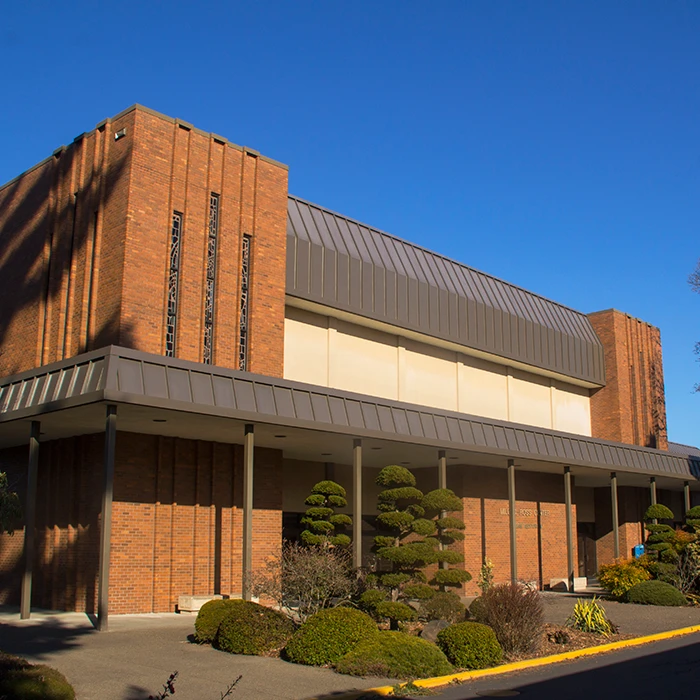
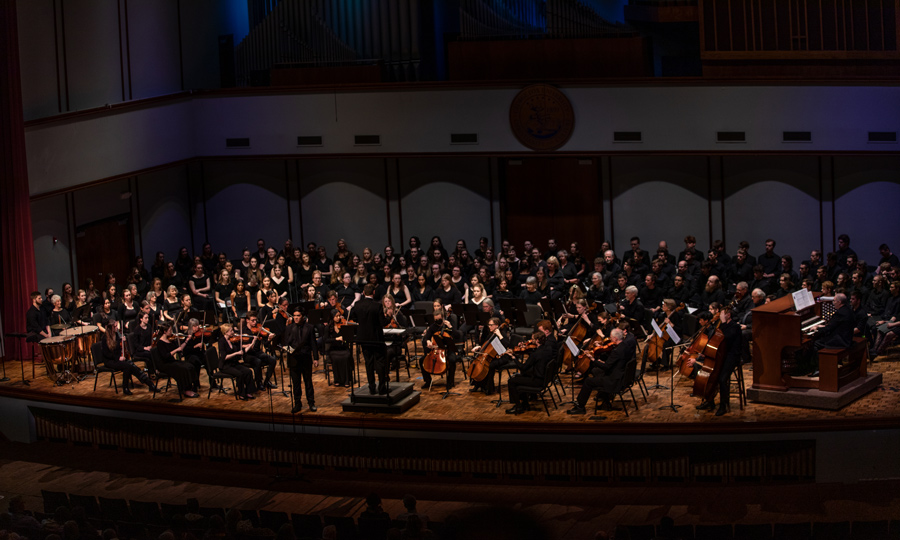
One of the largest spaces on campus, Bauman Auditorium seats 1,119 people and hosts numerous band, choir and orchestra concerts, including our annual Christmas concert. Students also perform senior showcase concerts in the space.Our highly respected venue is renowned by the Oregon Symphony for its acoustics, which hosts a concert annually.
Production and Media labs in the Arts & Cinematic Arts Facility
Music students learn in production labs and media classrooms designed for hands-on audio creation, recording and post-production. These spaces support coursework in music technology, composition and contemporary performance, giving students access to professional-grade tools in a collaborative learning environment.
Career Outlook What’s After George Fox
Graduates of our music program are professional performers, teachers and leaders in a wide range of disciplines. We recently reimagined the major with emphases in music industry and worship arts, transforming our already-vibrant music department into a program that focuses on outcomes and employability by connecting students who love music with compelling vocational opportunities.
University of Northern Colorado College of Performing Arts
University of Portland
Pacific Northwest Film Scoring Program at Seattle Film Institute
Cincinnati Conservatory of Music
Louisiana State University
Indiana University
University of Oklahoma
Willamette University
How I Found My Voice Through the Music Program
When I was graduating from high school, I was overcome with the bittersweet feeling of moving. In an effort to come to terms with the transition, I wrote a song called Fireflies about leaving something you loved in preparation for something new. It was a very high school song and I was proud of it, but I didn’t really expect anyone to care much about an 18-year-old girl’s experience. Despite this, I chose to perform the song in Epiphany and I was shocked at the response. I never could have anticipated the number of people who would connect to it – people who just want to be seen and understood.
My experience at George Fox was one that was rooted in community. When I graduated high school I was unsure whether I would attend Fox or a music school in Boston. I felt God leading me to go to Fox for at least a year, but I didn’t know if I would stay longer than that. By December of my freshman year I knew that I would stay at Fox, mostly because of the people.
Hobbies & Interests: Songwriting, Reading, Thrifting, Concerts, Exploring the PNW
About Me: Hey! I'm Nevaeh and I'm studying music with a minor in psychology to hopefully become a music therapist one day. I'm also currently working on...Read more








 Loading...